Every U.S. state and the District of Columbia operates its own public health department or agency, responsible for disease surveillance, immunization programs, food safety monitoring, and emergency health alerts. Use the interactive map below to navigate directly to your state’s official public health website, or read on to learn what services these agencies provide and how to contact them.
The Centers for Disease Control and Prevention (CDC) coordinates the National Notifiable Diseases Surveillance System (NNDSS), a nationwide collaboration through which state health departments report cases of designated diseases and conditions to federal public health authorities. When a Salmonella outbreak hits a local restaurant chain or a measles case surfaces at a school, it’s your state health department that gets the call. These agencies run the ground-level response: coordinating testing, issuing public alerts, managing immunization campaigns, and connecting residents to care. Their websites are a primary source of localized health information and official guidance for the public.
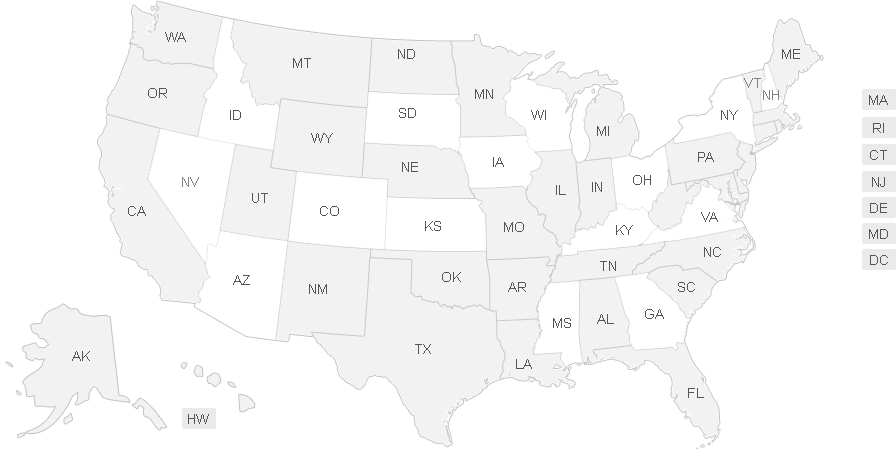
The map below links directly to every state’s public health department website. Whether you’re tracking a food recall, researching immunization requirements, or looking into environmental health alerts in your area, clicking through to your state’s official site is the right first step. You can also use the search widget to find programs and resources specific to your location.


State Public Health Departments
Click on the map below to visit your state’s public health department website.
What State Health Departments Do
State health departments don’t just respond to emergencies. They operate the infrastructure that keeps communities healthy year-round, often in ways that aren’t visible until something goes wrong.
Disease surveillance is one of their core functions, meaning they systematically track conditions ranging from influenza and tuberculosis to foodborne illness so patterns can be identified before an outbreak spreads. When the CDC issues a national alert, it’s state health departments that assess local risk, coordinate testing, and communicate with residents directly. Immunization programs work the same way: state agencies manage vaccine distribution, maintain childhood immunization records, and coordinate clinics across every county.
Many state health departments include environmental health divisions that monitor water quality, support food service facility inspections, and respond to chemical or industrial exposure events. These responsibilities are sometimes shared with or delegated to local agencies, depending on the state’s governance structure. Emergency preparedness teams maintain the plans that get activated during a hurricane, a pandemic, or a contamination event. And vital records offices handle birth and death certificates, which residents access through their state health department website more often than most people realize.
Governance structures vary. In some states, a centralized department oversees both statewide policy and local delivery. In others, local health departments operate with significant independence, with the state providing technical guidance rather than direct oversight. The Public Health Accreditation Board (PHAB) is the national nonprofit organization that accredits state, local, tribal, and territorial governmental public health agencies against a set of national performance standards. PHAB maintains a current list of accredited departments at phaboard.org.
Local and County Health Departments
State health departments set policy and manage statewide programs. Local health departments handle much of the direct service delivery. If you’re looking for help accessing services, reporting a concern, or finding programs available in your specific county or city, your local health department is often the right contact.
The National Association of County and City Health Officials (NACCHO), which represents more than 3,300 local health departments across the country, maintains a searchable directory where you can search by state or zip code at naccho.org to find contact information for your county’s public health office, including phone numbers, addresses, and links to local department websites.
For tribal communities and Indian organizations, the CDC’s Health Department Directories maintains dedicated resources at its Public Health Gateway, separate from the state-level listings above.
Frequently Asked Questions
What does a state health department do?
State health departments oversee disease surveillance, immunization programs, environmental health monitoring, emergency preparedness, and the licensing and oversight of healthcare facilities within the state. They also maintain vital records, including birth and death certificates. Note that licensing of individual health professions is often handled by separate state licensing boards rather than the health department directly. Their primary role is preventing and controlling disease while protecting population health at a statewide scale.
How is a state health department different from a local health department?
State health departments set policy, manage statewide programs, and coordinate with federal agencies like the CDC. Local health departments carry out direct services at the county or city level, including running immunization clinics, inspecting restaurants, and responding to community health complaints. In some states, local departments operate under direct state authority. In others, they function more independently.
What kinds of information can I find on a state health department website?
Most state health department websites include disease outbreak alerts, immunization schedules and clinic locations, food safety inspection records, vital records request forms, healthcare facility licensing information, and emergency preparedness resources. Many also publish public health data reports and epidemiological studies specific to their state population.
How do I find my local health department?
The National Association of County and City Health Officials (NACCHO) operates a searchable directory at naccho.org where you can find contact information for local health departments by state or zip code. You can also navigate to your state’s public health department website using the map above and use the department’s internal search or navigation to find local or county office information. Site structures vary significantly by state.
Are state health department resources free to use?
The majority of information and guidance on state health department websites is free and publicly available, including disease information, health advisories, and immunization guidance. Some services, such as obtaining copies of vital records like birth and death certificates, typically carry a small administrative fee. Check your state’s specific website for details on fees and request procedures.
- Every U.S. state operates a public health department responsible for disease surveillance, immunization programs, environmental health monitoring, and emergency preparedness.
- State health department websites are among the best sources for local health advisories, food safety alerts, immunization schedules, and vital records in your area.
- Local and county health departments deliver many direct services. Use NACCHO’s directory at naccho.org to find contact information for your county’s public health office.
- The Public Health Accreditation Board (PHAB) accredits state and local health departments that meet national performance standards. A current list of accredited departments is available at phaboard.org.
Interested in a career in public health? Browse accredited degree programs by state and find options that fit your goals.